
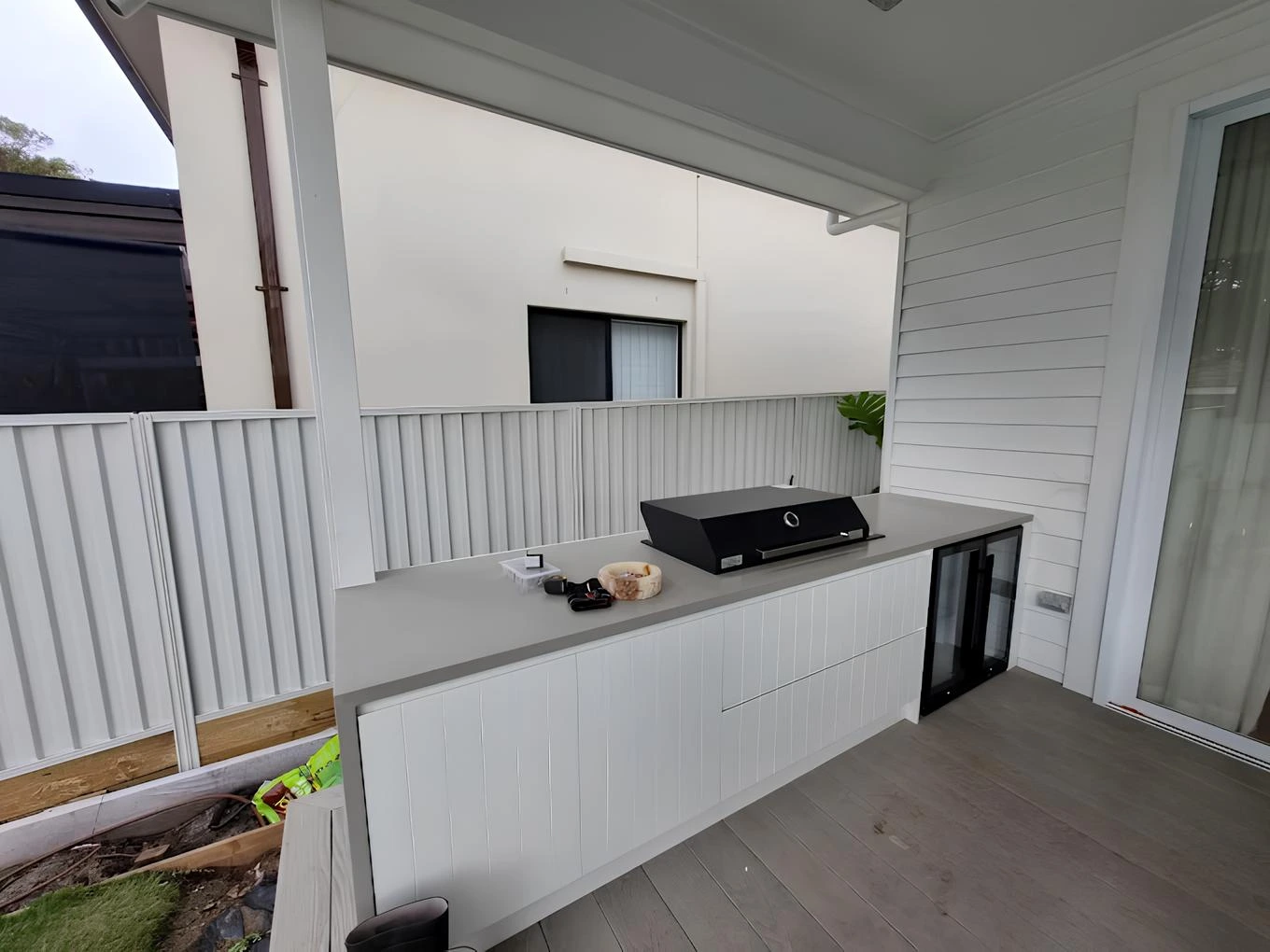
Designing a kitchen is about more than choosing colours and appliances; it’s about creating a space that works effortlessly for the way you live. Custom kitchen cabinets play a central role in this process, shaping how your kitchen looks, feels, and functions every single day. Unlike standard options, custom cabinetry is designed to suit your space precisely, allowing you to make the most of every corner, wall, and workflow without compromise.
For many homeowners, cabinetry decisions are also long-term investments. The right cabinets can improve storage, enhance daily usability, and add lasting value to your home. From material selection to layout planning, understanding how custom solutions differ from off-the-shelf products helps you make informed choices that align with both your lifestyle and your renovation goals.
If you’re planning a renovation or new build, this practical guide to custom kitchen cabinets in Sydney is designed to help you navigate the process with confidence. Whether you live in Botany, Waterloo, or Surry Hills, understanding local design needs, installation considerations, and quality standards ensures your kitchen cabinetry delivers both style and performance for years to come.
Why Choose Custom Kitchen Cabinets
Custom cabinets offer the flexibility and precision you just can’t get with stock units. They’re built exactly for your floor plan, no filler panels or awkward gaps, which means every inch counts. Think of stock cabinets like off-the-rack clothing: they might zip up, but custom cabinets are like a tailored suit for your kitchen, made-to-measure for every curve and corner. Want a pull-out spice rack in a narrow gap, or a hidden drawer under the sink? With a bespoke design, that’s easy to plan.
You also get to choose every detail: wood type finish, door style and hardware, and even special features like soft-close drawers or in-cabinet lighting. Often, custom kitchens use higher-quality materials and fittings, so the result looks and feels more luxurious. Many homeowners find that a tailored kitchen makes small spaces (common in Surry Hills and Waterloo homes) feel much more functional and spacious. In comparison, stock or semi-custom cabinets come in fixed sizes and limited finishes, so compromises in design and layout are often inevitable.
- Perfect fit: Tailored to your exact space, custom cabinets eliminate wasted gaps or filler strips.
- Personalised style: You control every detail (wood species, paint colour, hardware) to match your home’s character.
- High quality: Often constructed from thicker plywood, solid timber or premium hardware that stands the test of time.
- Built-in solutions: Integrate special features like pull-out pantries, corner carousels, soft-close drawers and open shelving.
Planning Your Kitchen Layout for Custom Cabinets
Designing custom cabinets starts with understanding your space and needs. Think about how your family uses the kitchen: do you cook often, need lots of pantry storage, or want a built-in breakfast bar? For instance, small kitchens in Waterloo or Surry Hills might benefit from deep drawers instead of lower cupboards, or wall cabinets that reach the ceiling to maximise space.
Experts always recommend planning the classic kitchen “work triangle” (sink, fridge, stove) for efficient movement. Also consider appliances: custom joiners can leave space for larger fridges or double ovens, or plan an island bench with an integrated cooktop and seating. Careful planning ensures your cabinets look great and work perfectly with your cooking style and layout.
- Measure carefully: Precision is vital. A skilled cabinetmaker will measure twice so everything fits flawlessly.
- Plan your layout: Common layouts (L-shape, U-shape, galley or island) each have pros and cons. Discuss with your designer which suits your home best.
- Maximise function: Include features like pull-out larders or swing-out corner shelves so every inch works for you.
- Plan for appliances: Account for plumbing, electrical points and safety clearances early in the design.
Choosing Materials for Timber Kitchen Cabinets
Sydney’s homes often feature warm timber cabinets, which are not only stylish but also sustainable. In fact, the Australian government notes that wood really is the ultimate renewable resource, storing carbon and connecting us to nature. For kitchen benchtops, however, you’ll need to avoid engineered stone. The manufacture, supply and installation of engineered stone (e.g. quartz) benchtops is now banned in Australia for health and safety reasons. Instead, consider alternatives like stainless steel, natural stone (granite or porcelain) or recycled glass surfaces to pair with your new cabinets. Also, choose low-VOC paints and sustainably sourced hardware where possible, to make your kitchen environmentally friendly.
Custom Kitchen Cabinet Installation: What to Expect
Installing custom cabinets is a job for skilled professionals. In NSW, any kitchen renovation above $5,000 (including materials and labour) must be carried out by a licensed contractor. This protects you under regulations and provides insurance cover; skipping the licence can lead to hefty fines under the Home Building Act.
A qualified cabinet installer will ensure your units are perfectly level and securely anchored, and meet all local building and safety codes. They’ll coordinate any plumbing or electrical work needed for sinks, ovens or appliances. Fabrication often takes several weeks, so plan your timeline accordingly. Finally, remember to dispose of old cabinets properly; for example, the City of Sydney won’t pick up kitchen cupboards in its regular waste service, so you may need to arrange a skip bin or removal service.
Smart Storage Solutions for Custom Cabinets
Maximising storage is often the biggest reason to go custom. Think beyond standard shelves: a cabinetmaker can fit clever organisers where ready-made cabinets can’t. For example, you might install:
- Pull-out pantry: A tall, slim cabinet that slides out with shelves for spices, cans or dry goods.
- Corner carousel: Turntables inside a corner cupboard make deep corners easy to use.
- Deep drawers: Replace under-bench cupboards with wide drawers so pots, pans and containers are easy to reach.
- Vertical dividers: Built-in slots to store baking trays, chopping boards or platters upright.
- Built-in bins and racks: Hide garbage bins, recycling trays or wine racks inside a cabinet for a sleek look.
- Open shelves or niches: For cookbooks, displays or easy-access items – adds personality while keeping counters clear.
Incorporating these features in the design phase ensures a seamless fit. For instance, a traditional Surry Hills kitchen might combine classic shaker cabinets with a discreet pull-out bin, while a modern Waterloo kitchen could use handleless high-gloss doors and wide drawers. The goal is a layout where everything has its place and countertop clutter disappears.
Budgeting and Timelines for Custom Kitchen Remodel
Budget wisely: Custom kitchens cost more than stock options. You might spend 30–50% more, depending on materials and design complexity. However, you’re paying for a perfect fit and quality that will last for decades.
Plan your timeline: Fabrication and installation can take 1–3 months after final design sign-off. (Factor in extra weeks for delays or approvals.) Early planning avoids stress, especially if you have a move-in deadline or special event.
Get multiple quotes: Cabinetmakers vary in experience and pricing. Obtain detailed quotes from several local companies, and compare materials, finishes and timelines. Check portfolios or showrooms to ensure their style matches your vision.
Think long-term: A well-made custom kitchen can boost your home’s value and enjoyment. In Sydney’s competitive market, kitchens are major selling points, so view your cabinets as a long-term investment, not just a renovation expense.
Conclusion
Choosing the right cabinetry is one of the most important decisions you’ll make when designing or renovating your kitchen. As this guide has shown, custom kitchen cabinets offer flexibility, precision, and long-term value that standard options often can’t match. From thoughtful design and material selection to smart storage solutions and compliant installation, every step plays a role in creating a kitchen that is both practical and visually refined.
For Sydney homeowners, especially in areas like Botany, Waterloo, and Surry Hills, custom cabinetry allows you to respond to unique layouts, space constraints, and architectural styles. When planned and installed correctly, bespoke cabinets enhance daily functionality, improve organisation, and contribute to a cohesive kitchen design that stands the test of time.
If you’re ready to move forward, French Carpentry offers end-to-end solutions, including custom kitchen cabinets, bespoke joinery, kitchen cabinet installation, custom cabinet installation, timber custom kitchen cabinets, and tailored storage solutions for kitchen remodels. Speak with experienced custom kitchen cabinet makers who understand quality craftsmanship. Contact us today to discuss your project and take the next step toward a well-designed kitchen.
FAQs:
What are the advantages of custom kitchen cabinets over stock units?
Custom cabinets are built to your exact kitchen dimensions, so there are no awkward gaps or filler panels. You can choose every detail (wood, finish, hardware) to match your needs and style. This means better use of space, higher-quality construction, and unique features that off-the-shelf kits can’t provide.
How do I find a reliable custom cabinet maker in Sydney?
Look for experienced kitchen joiners who share portfolios of completed projects. Check reviews and ask for recommendations, for example, neighbours in Botany or Waterloo might refer their cabinetmaker. Verify they have the right licences and qualifications. Meeting in person or visiting a workshop can also help you gauge their expertise and craftsmanship.
Do I need permits or special considerations for installing new cabinets?
Simply replacing cabinets typically doesn’t need council approval. However, if your work exceeds $5,000 in value, the installation must be done by a licensed builder or contractor. Also, plan for disposal of the old units, for example, the City of Sydney won’t pick up kitchen cupboards in the regular waste pickup, so you’ll likely need to arrange a skip bin or removal service. Always follow local building codes for electrical, plumbing and ventilation when renovating.