
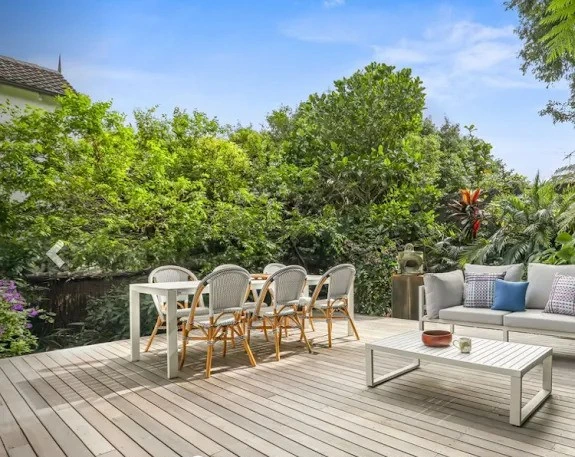
Sydney’s outdoor lifestyle has always encouraged homeowners to embrace open, welcoming, and stylish living spaces. Whether your home is modern or traditional, thoughtful deck building allows you to create a functional outdoor area that feels like a natural extension of your home. It’s not just about adding a structure; it’s about designing a space that supports relaxation, entertainment, and everyday living in a comfortable and visually appealing way.
Planning a deck involves more than choosing a design you like. It requires attention to materials, layout, comfort, durability, and compliance with local guidelines. When these elements come together, you get a deck that isn’t only beautiful but also strong, safe, and built to last. A well-planned deck enhances your lifestyle, improves outdoor usability, and adds long-term value to your property.
That’s why many homeowners are turning to carefully planned deck building Sydney projects to enhance their outdoor spaces. With the right planning, professional guidance, and commitment to quality, you can create a deck that blends style with strength, suits your environment, and truly elevates outdoor living in Sydney’s unique residential landscapes.
Planning Your Dream Deck in Sydney
Smart deck building begins long before the first post is set. Start by asking yourself: what will you use the deck for, and where will it best fit your Sydney home? Think about sunlight, shade, views and how the deck will connect to your house and garden. For example, a north-facing deck could soak up winter sun, while afternoon shade trees will keep it cool in summer.
When planning, consider Sydney’s local building rules. In NSW, low-rise decks can sometimes be built without full council approval. The NSW Planning Portal explains that a deck may be constructed as exempt development if it stays behind the front building line, is no more than 1 metre above ground, and is at least 900 mm from side boundaries. In practical terms, this means a modest deck under 25 m², less than 3m high, and set back from edges might not need a formal approval.
Keep a checklist as you plan:
- Regulations: Verify if your deck needs a Development Application (DA) or if it’s exempt/compliant. Check local council guidelines.
- Design: Sketch the deck layout, factoring in stairs, railing, and how it ties to your house. Remember privacy and neighbour views.
- Permits: If your deck is large or higher than 1m, you’ll likely need a building permit and construction certificate.
- Professional Help: Decide if you’ll DIY or hire a qualified deck builder (licensed trades must handle structural parts).
All deck work must be structurally sound, built to manufacturer specs, and comply with the Building Code of Australia (BCA). This means footing depth, framing joinery, and materials must meet strict standards. Think of the deck’s frame like a tree’s roots; the foundation supports everything above. Missing this step can cost you dearly in repairs or safety issues later. In other words, even if your deck is exempt from planning approval, it still needs to be engineered correctly for safety and durability.
Choosing Materials for Strength and Style
Your choice of materials will define both the look and longevity of the deck. In Australia, timber decking and composite decking are the two main contenders. Treated pine is a budget-friendly option; it takes stain nicely and is easy to work with. However, pine is a softwood, so it will need extra protection from wear and pests. The NSW Environmental Protection Authority points out that timber is treated with pesticides to protect it from insects like termites and fungi. In other words, choose pressure-treated pine or a naturally hard wood to ensure your deck isn’t a termite’s next snack.
Composite decking has gained popularity for its low maintenance and modern look. It resists rot and usually comes in a variety of colours and finishes. But there’s a catch: composite boards must meet rigorous building standards. This means installing composite boards is not just a plug-and-play job; it often requires engineering calculations for load, slip-resistance and termite protection. In practice, if you go composite, ensure the product has a CodeMark certificate or NCC compliance to avoid headaches (and fines) later.
Weighing the options: timber decks offer natural warmth and are easier to customise, but they need regular sealing and care. Composites are durable and splinter-free, but more expensive upfront and sometimes less eco-friendly (being made of plastics). To help compare at a glance, here’s a quick breakdown:
| Material | Pros | Cons |
| Treated Pine | Inexpensive; easy to paint/stain; widely available. | Softer wood may warp/bleach; needs regular maintenance; termite risks without treatment. |
| Hardwood (e.g. Spotted Gum) | Very durable; naturally resistant to rot/termites; rich colour. | High cost; heavy to install; needs oiling to maintain colour. |
| Composite Decking | Low maintenance; consistent look; resists rot/UV. | Higher cost; must meet NCC code; can heat up in the sun. |
When choosing, also think about aesthetics. Timber has a classic, organic look, perfect for a leafy Waterloo garden. Composites can mimic grey or bleached wood, matching modern Sydney architecture. Whatever you pick, quality matters. Check that any treated timber is from reputable suppliers, and ask suppliers for details on composite certification. Getting it right at the start means fewer repairs down the line.
Hiring Local Deck Builders in Sydney
Unless you’re an experienced DIY enthusiast (and have a solid set of tools), it’s wise to enlist a professional deck builder. But how do you find a trustworthy deck builder in Sydney? Look for someone with proven experience and proper licensure. In NSW, deck construction often falls under carpentry or builder licensing, and larger decks may require a licensed builder to issue construction certificates. You can search government resources or local directories for licensed builders in Botany, Waterloo, Surry Hills, and other Sydney areas.
Ask potential builders about:
- Past projects: A portfolio of completed decks will show their style and quality.
- Insurance and licensing: They should have public liability insurance and hold the necessary NSW builder’s license.
- References: Local word-of-mouth is gold. Check online reviews or ask neighbours who have done recent renovations.
- Product knowledge: A good builder will advise on materials.
A quality contractor will happily discuss how they plan to meet standards. In Sydney’s competitive market, many builders offer free quotes. Compare at least 2-3 quotes, focusing not just on price but on how well they explain the process. A clear contract should list materials, timeline, and who obtains council approvals and permits.
Stylish Design and Outdoor Living Upgrades
Once you’ve got the basics, it’s time to make the deck shine. Modern Sydney decks are about blending indoor and outdoor lifestyles. Think built-in seating with cushions, integrated planters for greenery, and even outdoor kitchens. Use colour, lighting, and architecture to your advantage:
- Levels and sections: A multi-level deck can define zones (eating area vs. lounging area). For instance, a higher platform for dining and a few steps down to a lounge space adds interest.
- Pergolas and shade: Adding a pergola or sail shade can make your deck usable even on hot days. It also frames the deck as an “outdoor room”.
- Railings and screens: Glass or metal balustrades give a contemporary look and preserve views.
- Lighting: Deck lights (either integrated into steps or string lights overhead) extend usability into the evening and create ambience.
Building features like built-in benches, pergolas, or an outdoor kitchen can make your deck both functional and stylish.
Consider the local vibe: in Botany or Inner West suburbs, people might favour relaxed, tropical plantings around their decks. In inner-city places like Surry Hills or Darlinghurst, a sleek, minimalistic deck with hardwood floors might better match the house. No matter your style, use durable outdoor fabrics and paints. And when planning your layout, leave enough flow space; you want people to circulate easily with a plate of BBQ in hand.
Maintaining and Repairing Your Deck
A deck is only as good as its upkeep. Even the best-built deck will need some love. The good news is that maintenance is straightforward: give your deck a quick check every season. Look for anything out of place:
- Surface care: Sweep leaves and debris to prevent mildew. Clean and reseal timber decks every 1–3 years, depending on sun and wear (this keeps the wood from drying out and cracking).
- Hardware: Check screws or nails – they can work loose or pop up over time, which is a trip hazard. Tighten or replace as needed.
- Safety: Inspect railings and balustrades for wobbles. A loose railing is not just an annoyance; it’s a safety risk.
By staying on top of maintenance, your deck will continue to look great and meet all deck safety standards. Remember, safety standards cover everything from structural soundness to slip-resistance. For example, ensure your deck’s tread design and finish prevent slips even in the rain, and that railings meet the required height and strength. If in doubt, refer to the Building Code or speak to a professional for advice.
Conclusion
A well-planned deck is more than an outdoor feature; it’s an investment in lifestyle, comfort, and property value. From choosing the right materials to working with experienced professionals, careful planning ensures your deck is strong, stylish, and built to last in Sydney’s unique climate and residential settings.
By understanding design, safety standards, maintenance needs, and the benefits of professional workmanship, you can create an outdoor space that blends durability with modern appeal. Whether it’s enhancing aesthetics, improving functionality, or upgrading outdoor living, a thoughtfully designed deck truly transforms your home experience.
If you’re ready to turn your outdoor vision into reality, our team at French Artisanal Carpentry specialises in premium deck building, repairs, upgrades, and professional craftsmanship tailored to Sydney homes. We focus on quality, reliability, and stylish results that stand the test of time. Contact us to learn more about our services and to discuss your project and get started. Your dream deck begins with the right team.
FAQs:
Do I need council approval to build a deck in Sydney?
It depends on the size and placement of the deck. In NSW, small decks set back from boundaries may be built without formal approval. Larger or higher decks usually require a building permit or development approval from your council. Always check with your local council or the NSW Planning Portal to be sure.
What material is best for decking in Australia?
Both timber and composite have merits. Treated pine is affordable and widely used, but needs regular sealing to protect against rot. Hardwoods are naturally durable but more expensive. Composite decking is low-maintenance and won’t splinter, but it costs more and must meet strict building codes. The “best” choice depends on your budget, desired look, and maintenance preference.
How often should I repair or maintain my deck?
Inspect your deck seasonally. Loose boards or rusted nails should be fixed immediately. Generally, reseal or repaint timber decks every 1–3 years, depending on weather exposure. Regular cleaning prevents mildew and prolongs life. If you spot any cracks, rot or instability in railings, repair them promptly. Good upkeep helps your deck stay both safe and beautiful year after year.