
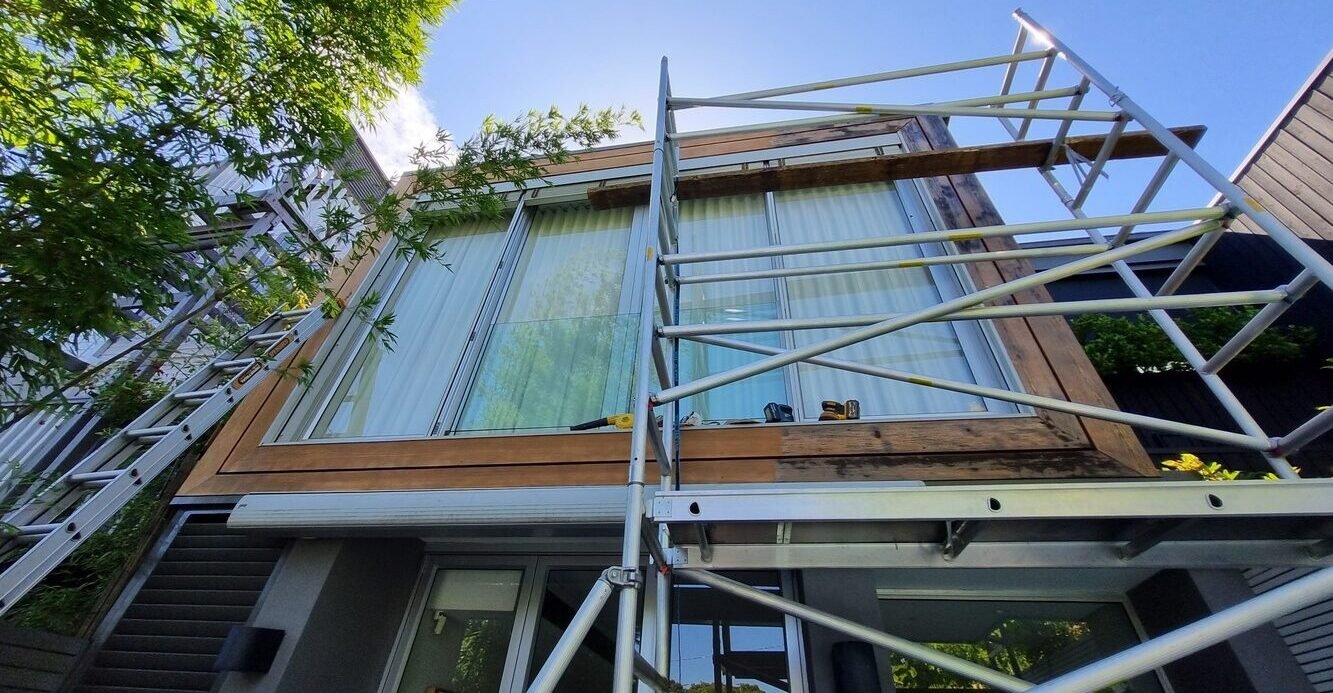
If you’ve lived in the Eastern Suburbs for more than five minutes, you already know the drill: gorgeous location, cracking beaches, and a huge number of homes that are older than your grandparents. Federation cottages in Randwick, workers’ terraces in Redfern, mid-century apartments in Bondi Junction — beautiful bones, but the kitchens, bathrooms and layouts often haven’t been touched since the last big renovation wave decades ago.
So when clients call us and say “I think it’s time to renovate,” the next question is almost always the same: where do I even start, and what’s this actually going to cost me?
At French Artisanal Carpentry, we’ve been renovating and building in Sydney for over 10 years — work that started with renovation and joinery projects in France before moving to Botany, Waterloo, Surry Hills and the wider Eastern Suburbs. This guide is the conversation we’d have with you over a coffee at your kitchen table — no sales pitch, just what a renovation actually involves and how to plan it properly.
What Actually Counts as a “Home Renovation”?
People use “renovation” as a catch-all, but it helps to separate the three jobs we get asked for most:
- Cosmetic renovation — new flooring, repainting, updated joinery and cabinetry, replacing doors and trims. No structural changes, usually no council approval needed.
- Interior renovation / fit-out — reconfiguring a kitchen, bathroom or living space, possibly moving non-structural walls, upgrading built-in storage and custom carpentry.
- Structural renovation or extension — knocking out load-bearing walls, adding a room, extending out the back or up, which almost always needs council or a certifier’s sign-off.
Most Eastern Suburbs renovations we quote are somewhere between the second and third category, because older homes tend to need some structural attention once you start opening things up (hello, 1920s wall cavities full of surprises).
How Renovation Scope Affects Your Budget
Every home is different, and anyone who gives you an exact number before seeing the property is guessing. But to give you a realistic starting point for planning, here’s how the scope of a project typically relates to timeframe:
| Renovation Type | What’s Typically Involved | Typical Timeframe |
|---|---|---|
| Cosmetic refresh | New flooring, repainting, updated joinery and trims | 1–3 weeks |
| Kitchen renovation | New cabinetry, benchtops and fit-out | 3–6 weeks |
| Full interior fit-out | Kitchen and living area reconfiguration and finishes | 6–12 weeks |
| Structural renovation / small extension | Wall removal, room additions, footprint changes | 3–6 months |
| Deck or outdoor living addition | New deck, pergola or outdoor entertaining area | 1–4 weeks |
These are general guides based on projects across suburbs like Bondi, Double Bay, Randwick and Coogee — every home is different, and the only way to get an accurate cost and timeframe is a site visit, which is why we always recommend a free, obligation-free quote before you commit to a budget.
What Actually Drives the Price Up (or Down)
A few things push renovation costs up in this part of Sydney specifically:
- Narrow terrace access — a lot of Surry Hills and Redfern terraces have laneway-only access, which slows material delivery and adds labour time.
- Heritage overlays — older homes in Paddington, Woollahra and parts of Vaucluse can sit within heritage conservation areas, which means council is stricter about what you can change on the street-facing side of the house.
- Hidden structural issues — termite damage, old non-compliant wiring behind walls, or timber rot in the subfloor. Common in homes over 60 years old, and something a good carpenter will flag before starting, not after.
- Custom joinery vs off-the-shelf — built-in cabinetry and wardrobes cost more upfront than flat-pack, but they fit properly in the odd-shaped rooms so common in older Sydney homes, and they last a lot longer.
On the flip side, staging your renovation (doing the kitchen this year, the bathroom next) is a great way to spread cost without compromising on quality, and it’s something we do for a lot of clients who don’t want to move out during the works.
What the Renovation Process Actually Looks Like
- Site visit and quote — we walk through the space, talk about what you want to achieve, and give you a written quote.
- Design and approvals — for cosmetic work this is quick; for structural changes, we’ll help you understand what council or a private certifier will need.
- Materials and scheduling — timber, joinery components and fixtures are ordered and a start date is locked in.
- The build — this is where having one carpenter who understands both the structural carpentry and the finishing joinery makes a real difference — fewer trades means fewer handover gaps.
- Final walkthrough — we don’t consider a job done until you’ve walked through it with us and you’re genuinely happy with the finish.

The French Artisanal Carpentry team on the road across Botany, Waterloo and the Eastern Suburbs.
Why Homeowners Choose a Local Carpenter Over a Big Renovation Company
Big renovation companies often subcontract out the actual carpentry, which means the person quoting your job isn’t the person building it. We do it differently — when you call French Artisanal Carpentry, you’re talking directly to the person swinging the hammer.
One of our clients, Mischa, put it well after we renovated her outdoor space:
“We are delighted with our new outdoor timber deck. Warren’s attention to detail is superb… This deck was the icing on the cake after we contracted French Artisanal Carpentry initially to clean our gutters & discovered our roof needed some repairs. Warren turns up on time, communicates extremely well and is a pleasure to work with.” — Mischa Telford
That’s a fairly typical story for us — a small job turns into trust, and trust turns into the bigger renovation down the track.
Frequently Asked Questions
How long does a home renovation take in Sydney?
It depends entirely on scope. A cosmetic refresh can be done in one to three weeks. A full kitchen and living area fit-out is usually six to twelve weeks. Structural renovations or extensions can run three to six months once approvals are factored in.
Do I need council approval to renovate my home?
Cosmetic work (paint, flooring, non-structural joinery) generally doesn’t require approval. Anything structural — removing walls, extending, changing the building’s footprint — usually needs either a Complying Development Certificate or full council approval, especially in heritage-affected suburbs. We’ll tell you upfront if your project needs sign-off.
Can you renovate one room at a time instead of the whole house?
Yes, and honestly, we recommend it for a lot of clients. Staging a renovation room by room spreads the cost and the disruption, and it lets you live in the home throughout.
What’s the difference between a renovation and a fit-out?
A renovation usually implies changing or improving what’s already there. A fit-out is fitting out a space with new cabinetry, joinery and finishes — often used after a renovation has opened up a room, or for a space that’s structurally fine but needs everything inside it replaced.
Do you handle both the structural work and the finishing carpentry?
Yes — that’s one of the main reasons clients choose us over larger companies. We handle framing, decking and structural carpentry through to custom cabinetry, wardrobes and joinery, so there’s one point of contact for the whole job.
Thinking About a Renovation in the Eastern Suburbs?
Whether you’re planning a full interior renovation, a kitchen refresh, or just want to know what’s realistic for your budget, we’re happy to have an honest conversation before you commit to anything. We provide home renovation and carpentry services across Bondi, Double Bay, Randwick, Paddington, Coogee, Vaucluse, Rose Bay and the surrounding Eastern Suburbs.
Get in touch for a free, no-obligation quote, or call Warren directly on 0401 739 027.